


When you make a reservation for an expo, you can go whenever you intend to between the opening and closing of the exhibition. The confirmation email refers to the first date of the exhibition.
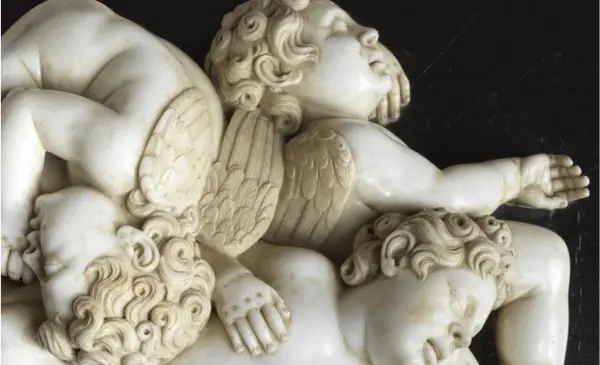
In the autumn of 2026, M will, for the first time, highlight the artistic exchange between Italy and the Low Countries in the 16th century. Featuring masterpieces from renowned international museums, the exhibition tells the fascinating story of mutual influence, virtuoso craftsmanship, and a drive for innovation.
Sculptures, paintings, drawings and prints reveal how artists from the Low Countries, who worked in Italy, left their mark on the visual language of the Renaissance.
Pioneers in the Low Countries
In the early 16th century, pioneers such as Jan Gossaert, Pieter Coecke van Aelst and Cornelis Floris introduced the Italian Renaissance to Flanders. Gradually, Flemish sculptors left the Gothic style behind for good. In the exhibition, you will be introduced to Jacques Dubroecq, the Low Countries’ first true Renaissance sculptor. After his trip to Italy, this court artist of Mary of Hungary became the first to put into practice what he saw across the Alps. The work of transitional figures such as Jacques Jonghelinck also features prominently in the exhibition.
Fiamminghi across the Alps
The Renaissance made its way to Flanders, but many Flemish artists also made their way to Italy. Giambologna (Jean [de] Boulogne) crossed the Alps never to return. He developed an innovative and influential oeuvre from his studio in Florence. His workshop became a magnet for talent from the North, including Pietro Francavilla, Johann Gregor van der Schardt and Adriaen De Vries. Around 1575, Flemish artists with Italian-sounding names, such as Egidio Della Riviera, Nicolo Pippi and Coppe Fiammingo, were equally influential in Rome.
Due to their unique blend of technical expertise and artistic ingenuity, the influence of these scultori fiamminghi [Flemish sculptors] swept across Europe, from the Scandinavian countries to the Spanish court.
The exhibition concludes with works by the Brussels family of sculptors, Duquesnoy, and the Utrecht-born brothers Robert and Andries De Nole. Their work demonstrates how the Counter-Reformation gave new impetus to religious sculpture at the end of the 16th century.
Masterpieces
In the exhibition, 16th-century sculptures from M’s collection shine alongside other masterpieces from international museums, such as the Bargello and the Uffizi (Florence), the Louvre (Paris), the V&A (London), the Rijksmuseum (Amsterdam), the Kunsthistorisches Museum (Vienna), the Vatican collections, and works from various churches and private collections.
Coming to visit?
make a reservation
You can make a reservation up until you're at the front door. Just make sure it hasn't sold out.

you're on the list
You're on the Different Class list. Not coming? Be nice and cancel your reservation.

check in like a vip
Show your active profile and get free access or discounted access. You didn't bring your smartphone? Show your ID.
Events you might like
Discover concerts, parties, performances, films and exhibitions at more than 50 venues in Brussels, Antwerp, Ghent, Leuven & Liège





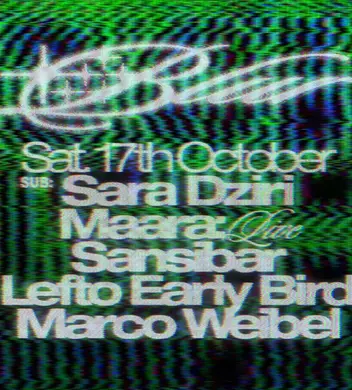
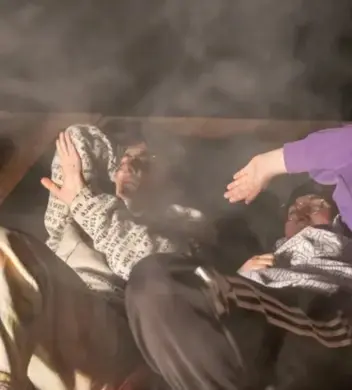
BLUR with Sara Dziri + Maara + Sansibar & Lefto Early Bird + Marco Weibel

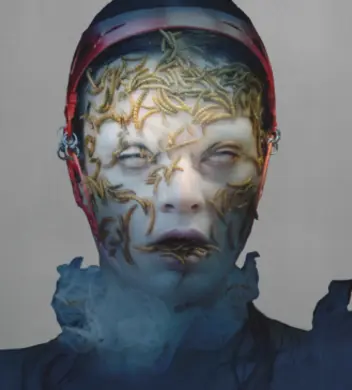
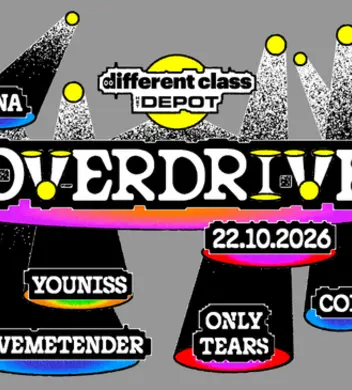
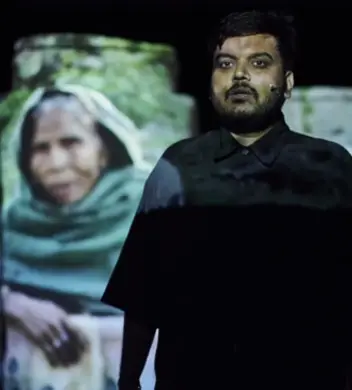
Pankaj Tiwari - The Harvest of Broken Promises
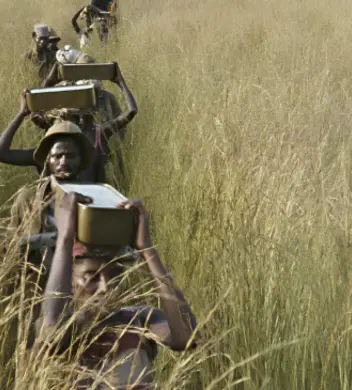


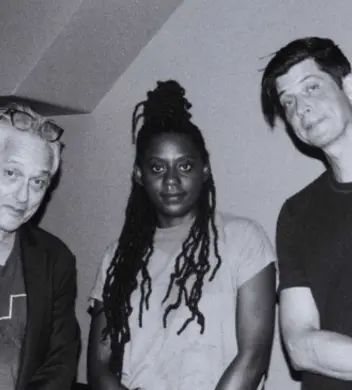
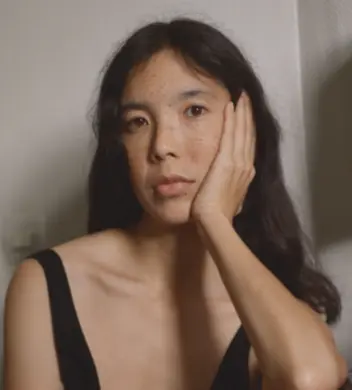
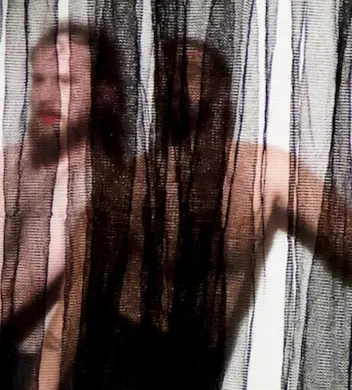
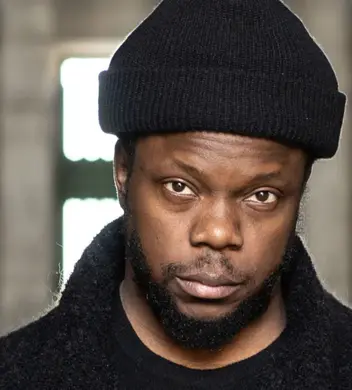
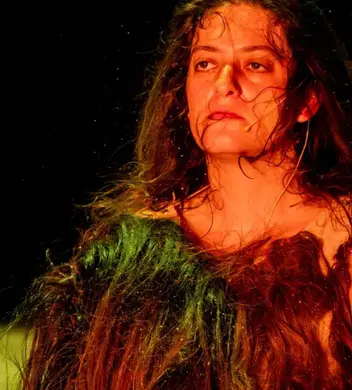
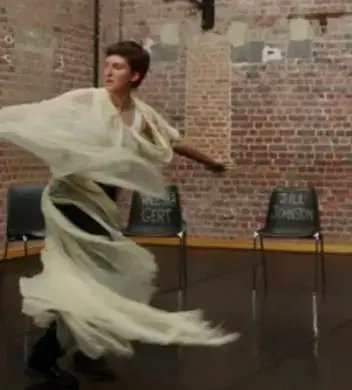
Carolina Mendonça - Something is Approaching (Day 1)
Carolina Mendonça - Something is Approaching (Day 2)




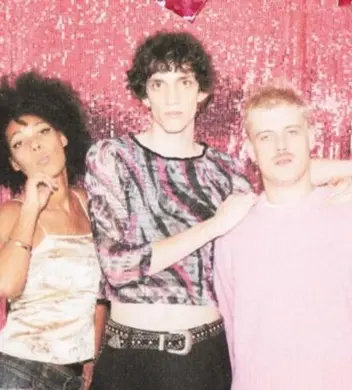

The perks of being a Different
Class member


over 15 events a month
Reserve your free or discounted spot for concerts, parties, performances, films and exhibitions at more than 50 venues in Belgium

carefully curated
New events and fresh content selected and prepared for you every day

printed magazine
Get to know some of the most exciting talents through our publications

a dedicated community
Fuel yourself with like-minded people and allow us to invest back into boundary-pushing artists
discounts & more
Receive discounts in our online shop and other great stores in Brussels, Ghent and Antwerp


