


When you make a reservation for an expo, you can attend anytime between the opening and closing of the exhibition. The confirmation email refers to the first date of the exhibition. Be sure to check the partners opening hours.
In the summer of 2026, Muhka will present the first major retrospective in Belgium fully dedicated to Nicola L., an artist renowned for her groundbreaking, multidisciplinary work. Visitors will discover five decades of creativity in which sculpture, performance, painting, film, and design converge, and gain insight into her innovative approaches to gender, the body, and space.
This exhibition presents one of the most comprehensive surveys to date of the work of Nicola L., a French-born artist whose multidisciplinary practice occupies a singular position within the post-war avant-garde. Bringing together over ninety works from international collections, the exhibition offers the first major retrospective of her work in Belgium, situating her practice within a broader European context shaped by mobility, exchange, and experimentation.
Spanning several decades, the exhibition traces Nicola L.’s artistic development with particular attention to her French and Belgian periods, foregrounding the close connections between different artistic scenes. It explores her formative years and her integration into the French art milieu, including her relationships with key figures of the avant-garde, while also examining the ways in which her work resonates with Belgian institutional and archival contexts. The exhibition reflects on the transnational circulation of ideas, artists, and experimental practices in the post-war period.
Working across sculpture, installation, collage, performance and film, Nicola L. consistently challenged conventional boundaries between art and life. A central focus of the exhibition is her performative exploration of the body—not as an isolated entity, but as a shared, collective, and social form. Her works often operate in the space between the public and the domestic, questioning how bodies inhabit, negotiate, and resist social structures. Particular emphasis is placed on her engagement with the female body, approached not as a fixed identity but as a site of transformation, participation, and political agency.
Alongside a substantial selection of artworks, the exhibition incorporates extensive archival material, including books, exhibition catalogues, video works, and documentation of performances. These materials provide insight into the conceptual frameworks underpinning Nicola L.’s practice and highlight the importance of collectiveness within her work.
Addressing themes such as feminism, diversity, equality, climate awareness, and political engagement, the exhibition situates Nicola L. ‘s practice within a broader historical and social perspective. Rather than presenting a linear narrative, it proposes a layered reading of her work—one that underscores its continued relevance and its capacity to speak to urgent questions of collective life today.
The exhibition title When the Earth Turned the Other Way derives from a series of drawings—a narrative, alternative science-fiction story by Nicola L. about Giants inhabiting the Earth. The series was created during a formative period in the artist’s practice. The title evokes a moment of quiet turning away from dominant systems that instrumentalise bodies, the environment, and social relations. In relation to Nicola L.’s practice, the Earth can be understood as a collective body, carrying ecological and feminist meanings. The title may also be read in a historical register, referring to the late 1960s and 1970s as a moment when alternative social imaginaries were often pushed to the margins. Turning “the other way” becomes a subtle, performative act—one that shifts attention, ethics, and bodily imagination, asking how small gestures can quietly reorient the world. The title can also be understood in relation to the present as a time of transformation and the reconfiguration of the world’s order.
BIO Nicola L.
Nicola L. (1932–2018) was a French artist whose practice rigorously questioned the boundaries between art, objecthood, and social relations. Born in Morocco and later active in Paris, Brussels, New York, and Ibiza, her nomadic life informed a transnational and communal approach to artmaking. From the late 1960s onward, she developed a distinctive body of work encompassing soft sculptures, environments, and participatory performances that foregrounded use, touch, and collective experience. While her work intersected with Nouveau Réalisme, it resisted categorization, articulating instead a feminist politics rooted in the activation of the body. Fragmentation, scale, and chromatic intensity recur as strategies through which bodies are multiplied, shared, or temporarily unified. Nicola L. ‘s work consistently proposed art as a lived, social process rather than a static object, anticipating later discourses around participation, relationality, and embodied spectatorship.
Curated by Joanna Zielinska
Courtesy of the Nicola L. Collection & Archive.
Coming to visit?
make a reservation
You can make a reservation up until you're at the front door. Just make sure it hasn't sold out.

you're on the list
You're on the Different Class list. Not coming? Be nice and cancel your reservation.

check in like a vip
Show your active profile and get free access or discounted access. You didn't bring your smartphone? Show your ID.
Events you might like
Discover concerts, parties, performances, films and exhibitions at more than 50 venues in Brussels, Antwerp, Ghent, Leuven & Liège


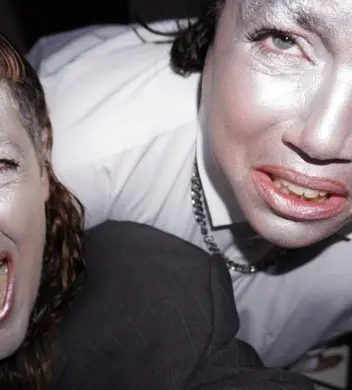
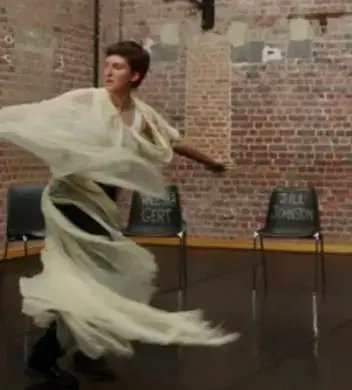
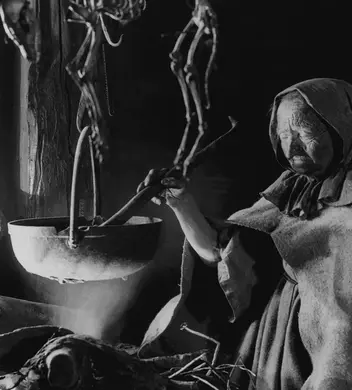
Panic Pixie Scream Girlz: Night of the Witch
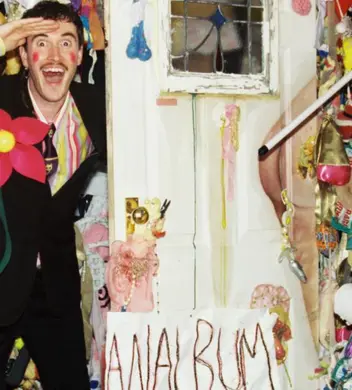

CHERRY BOMB presents 2026: The Nightmare Continues
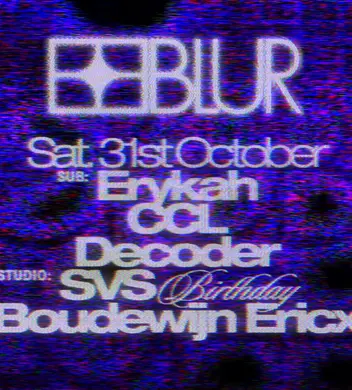

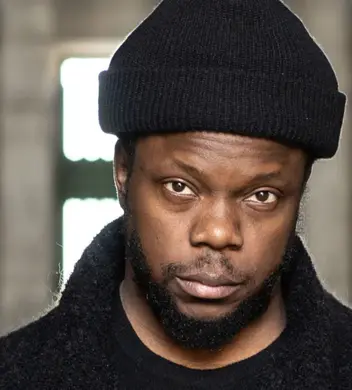
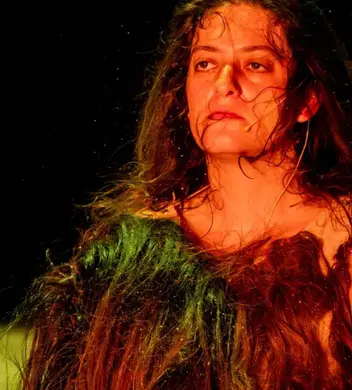
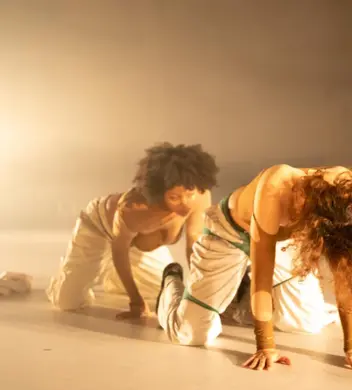
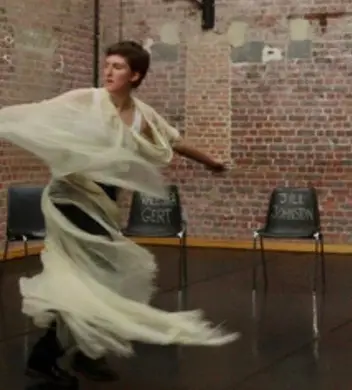
Carolina Mendonça - Something is Approaching (Day 1)
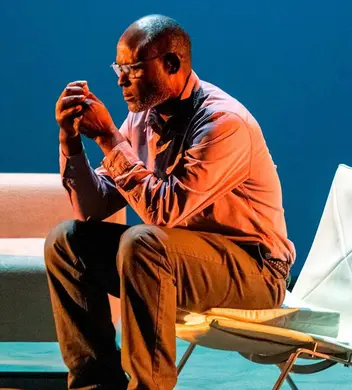
Carolina Mendonça - Something is Approaching (Day 2)


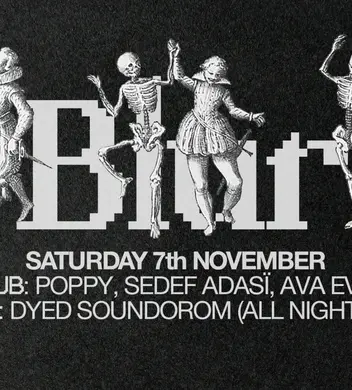
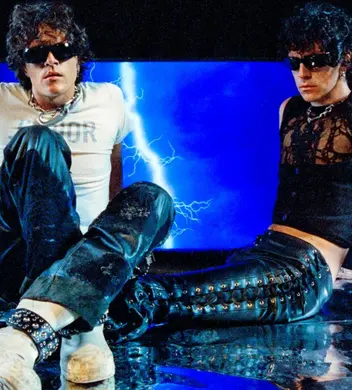
BLUR with Sanctus Libido + Andy Martin + Rigo + Bobbi Watson + Ina Kaysen












The perks of being a Different
Class member


over 15 events a month
Reserve your free or discounted spot for concerts, parties, performances, films and exhibitions at more than 50 venues in Belgium

carefully curated
New events and fresh content selected and prepared for you every day

printed magazine
Get to know some of the most exciting talents through our publications

a dedicated community
Fuel yourself with like-minded people and allow us to invest back into boundary-pushing artists
discounts & more
Receive discounts in our online shop and other great stores in Brussels, Ghent and Antwerp


